

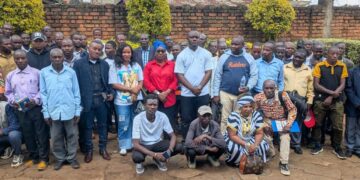








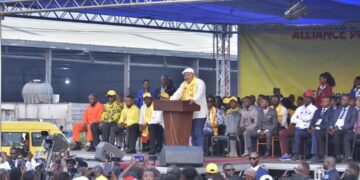




The protest, organized by civil society groups and citizens’ movements, drew thousands of residents who gathered at Kavimvira roundabout before marching to City Hall. Demonstrators carried banners in Swahili reading, “Gasita, go back home, we don’t want you in Uvira.”
Interim Mayor Kifara Kapenda Kik’y received two memoranda addressed to President Félix Tshisekedi, in which protesters accused General Gasita of ceding parts of South Kivu, including Bukavu, to the M23 rebel movement. They warned that his presence in Uvira could pave the way for rebel occupation of Uvira and Fizi.
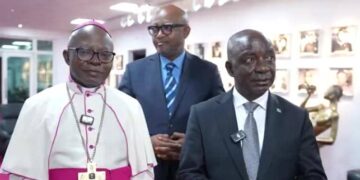
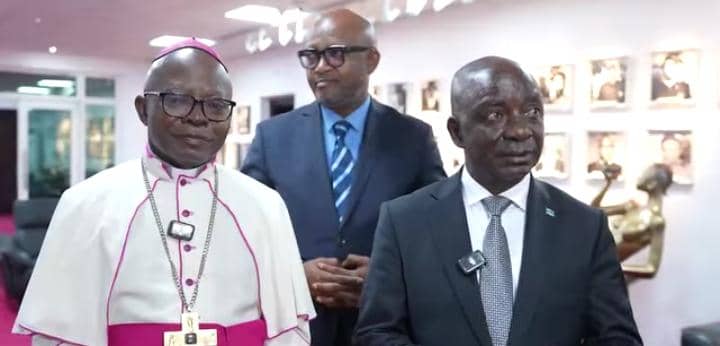
Speaking after the violence, Bishop Sébastien Muyengo of the Uvira Diocese deplored the killings, insisting that the march was a legitimate civic action aimed at expressing public discontent. He offered condolences to the bereaved families and urged authorities to listen to the people’s demands.
Although the demonstration initially proceeded peacefully, tensions flared when protesters moved toward the military headquarters to demand Gasita’s removal. Soldiers opened fire, killing at least four and injuring several others, according to initial reports.
The killings come amid a wave of protest actions in Uvira since September 2, including repeated “dead city” days that have paralyzed local activities. Civil society leaders say further demonstrations are likely if the government fails to act.