

















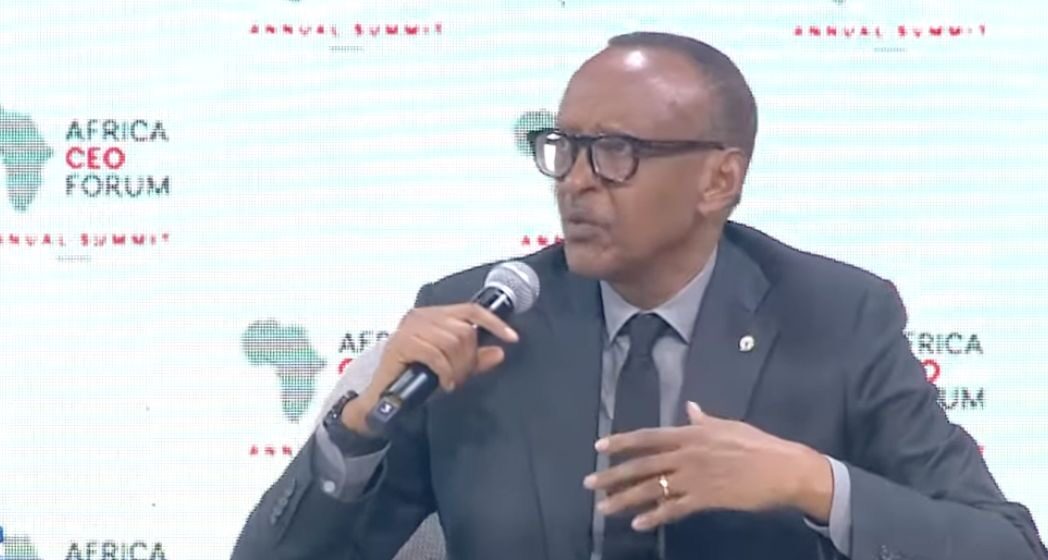
“I think there are several efforts happening at the same time. That’s the problem. And even the one we’re talking about — whether it’s from Qatar or the United States we can’t say we’ve succeeded. Everyone is trying.”
Kagame’s remarks reflect the growing frustration in Kigali over what it sees as disorganized mediation attempts that have so far failed to ease tensions or bring about durable peace. Armed violence continues to plague eastern DRC, with accusations that Rwanda supports the M23 rebel group — charges Kigali denies. Meanwhile, Rwanda accuses the DRC of harboring genocidal elements like the FDLR.
Overlapping diplomacy, limited results
Mediation efforts have come from multiple fronts: the U.S. has deployed senior envoys; Qatar has hosted back-channel negotiations; regional organizations such as the East African Community (EAC), the African Union (AU), and the United Nations are also involved. However, Kagame notes that the fragmented nature of these engagements dilutes their effectiveness.
“Sometimes the same people are talking to different actors with different agendas. It leads to confusion and mixed messages,” Kagame suggested.
A regional conflict with complex roots
The DRC-Rwanda crisis cannot be resolved in isolation. It is deeply rooted in regional dynamics involving security threats, historic grievances, ethnic tensions, and competition over rich mineral resources in eastern Congo. Kagame’s concerns highlight the challenges of addressing these intertwined issues through disjointed diplomacy.
A call for strategic coherence
Implicit in Kagame’s message is a call for international partners to synchronize their approaches, share intelligence, and develop a common roadmap. He also indirectly points to the need for more genuine political will from Kinshasa, which Kigali views as using anti-Rwandan rhetoric for domestic political gain.
The take-away from Kagame’s remarks is clear: peace efforts in the Great Lakes region require better structure, less duplication, and a willingness to engage in frank, inclusive, and sustained dialogue.
Political Analysis: Kagame’s Real Message
Kagame’s intervention at the Africa CEO Forum was not merely a statement of fact it was a strategic positioning. By highlighting the disarray in international mediation, Kagame is:
1. Deflecting sole responsibility for the failure of peace efforts, subtly reminding the world that Rwanda is not the only actor involved.
2. Critiquing the West’s piecemeal diplomacy, especially as U.S. and Qatari efforts have so far yielded no breakthroughs.
3. Pushing for a Rwanda-friendly negotiation framework, where Kigali’s security concerns — particularly around the FDLR — are taken seriously.
4. Signaling openness to dialogue, but on terms that are better coordinated and more inclusive of Rwanda’s narrative.
In a region where foreign agendas often collide with local realities, Kagame’s words are both a warning and an invitation. Without a unified diplomatic front and genuine regional cooperation, the eastern Congo crisis is likely to remain a tragic stalemate.