








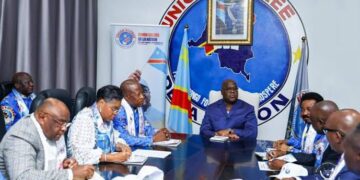

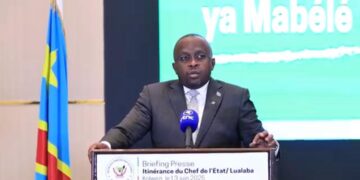








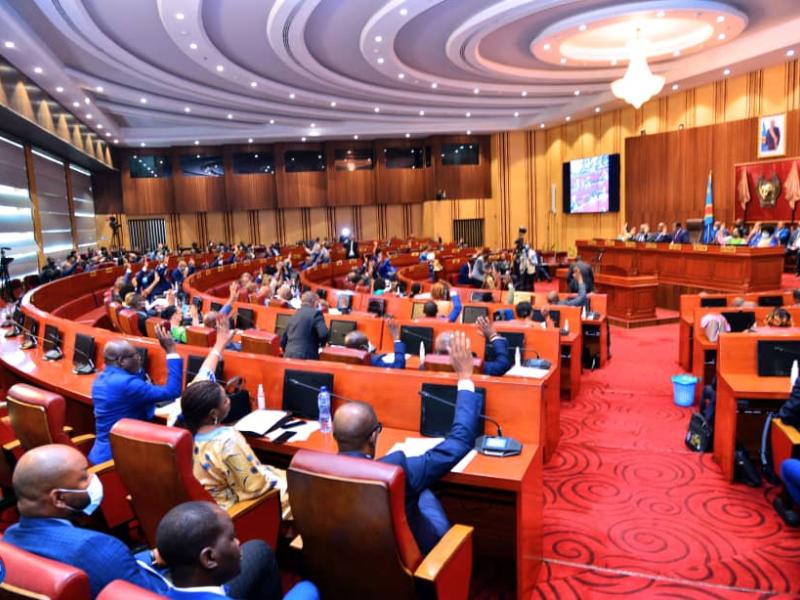
The Bureau of the Senate of the Democratic Republic of Congo (DRC) has convened a special plenary session scheduled for Thursday, May 22, 2025, at 2:00 PM at the Palais du Peuple in Kinshasa. The agenda centers on the review and adoption of a report by a special commission regarding two critical judicial matters involving prominent political figures.
Two Sensitive Judicial Requests on the Table
1. Case of Senator Michel Lingepo
The first matter involves a request for authorization to initiate legal proceedings against Senator Michel Lingepo before the Court of Cassation, the country’s highest civil and criminal court. While the full details of the allegations remain confidential, sources suggest they pertain to corruption, illicit enrichment, and abuse of power.
According to the DRC Constitution and Senate rules, any judicial investigation against a sitting senator requires formal approval from the Senate. Thursday’s vote will therefore determine whether the judiciary can proceed with a formal inquiry into Senator Lingepo’s case.
2. Immunity Waiver for Former President Joseph Kabila
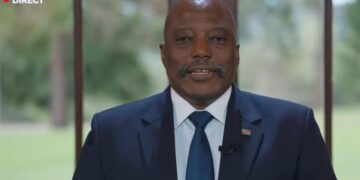
The second and more unprecedented issue involves a request to lift parliamentary immunity and authorize legal proceedings against former President and lifetime Senator Joseph Kabila Kabange. The aim is to enable possible prosecution before the High Military Court, which has jurisdiction over former heads of state and high-ranking officials for offenses committed during their tenure.
According to preliminary reports, the allegations may involve serious human rights violations, misappropriation of public funds, and decisions made during military operations under his presidency (2001–2019). If approved, this would mark the first time in the DRC’s history that a former head of state is subject to a judicial process authorized by Parliament.
Special Commission Report Under Review
The special commission established by the Senate to review these cases has completed a thorough inquiry, including hearings with legal experts and analysis of documentation submitted by judicial authorities. The commission’s report, which contains recommendations, will be presented and debated in plenary before a vote is held.
This session is taking place amid growing national and international calls for accountability, judicial independence, and the end of impunity at all levels of government.
High Stakes for Congolese Institutions
Observers regard this Senate session as a major test of the DRC’s democratic maturity and the institutional commitment to the rule of law. “This is a critical moment for the Senate to show that no one is above the law, regardless of their status or past political role,” said a constitutional law expert in Kinshasa.
A vote in favor of lifting Kabila’s immunity could trigger a profound political shift, especially within the Common Front for Congo (FCC) — the coalition historically aligned with the former president.
Heightened Security and Public Interest
Security will be heightened around the Palais du Peuple, with authorities taking precautionary measures to prevent unrest. Civil society organizations are planning peaceful demonstrations to demand justice and transparency in the handling of these cases.
Media outlets, both local and international, are expected to provide extensive coverage of the session, which may redefine the relationship between political power and the judiciary in the DRC.
Conclusion
The May 22 plenary session may become a landmark moment in Congolese political history. The Senate will face a choice of significant consequence: to uphold the supremacy of justice or to preserve the status quo of political immunity. All eyes will be on Kinshasa as the nation waits for a signal that could reshape its democratic and legal landscape.