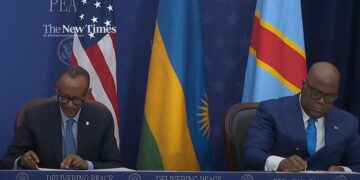
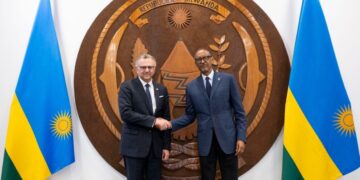


















This marks a significant development in ongoing efforts to de-escalate tensions between the two neighboring countries, whose relationship has been marred by accusations of cross-border interference, support for armed groups, and repeated military incidents, particularly in the volatile eastern regions of the DRC.
According to senior diplomatic officials, the draft proposal was jointly prepared by intermediaries involved in regional negotiations, with the support of the African Union and the International Conference on the Great Lakes Region (ICGLR). It outlines key commitments on both sides, including the cessation of hostilities, the withdrawal of troops from contested areas, and the resumption of formal diplomatic and economic relations.
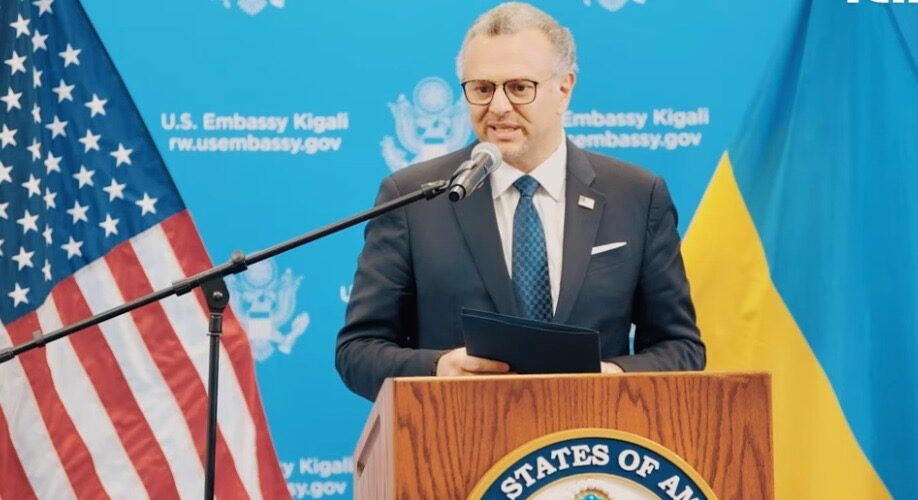
The United States, which has played a quiet but influential role in regional stabilization efforts, is expected to act as a guarantor or facilitator should both parties agree on a final version of the accord. Washington has consistently urged both Kinshasa and Kigali to pursue a peaceful resolution, warning of the risks of regional destabilization.
In recent months, the Congolese government has repeatedly accused Rwanda of backing the M23 rebel group, which remains active in North Kivu despite international condemnation. Kigali, in turn, denies any involvement and accuses the DRC of harboring armed elements hostile to Rwanda, including remnants of the FDLR militia.
While details of the draft agreement remain confidential, sources suggest it includes provisions for independent monitoring mechanisms, joint border security initiatives, and renewed efforts to address the root causes of conflict, including refugee return and resource control.
Whether this diplomatic move will lead to a durable peace remains uncertain. However, the formal submission of a draft peace accord to a major international actor signals a potential turning point in one of Africa’s most enduring and complex conflicts.