












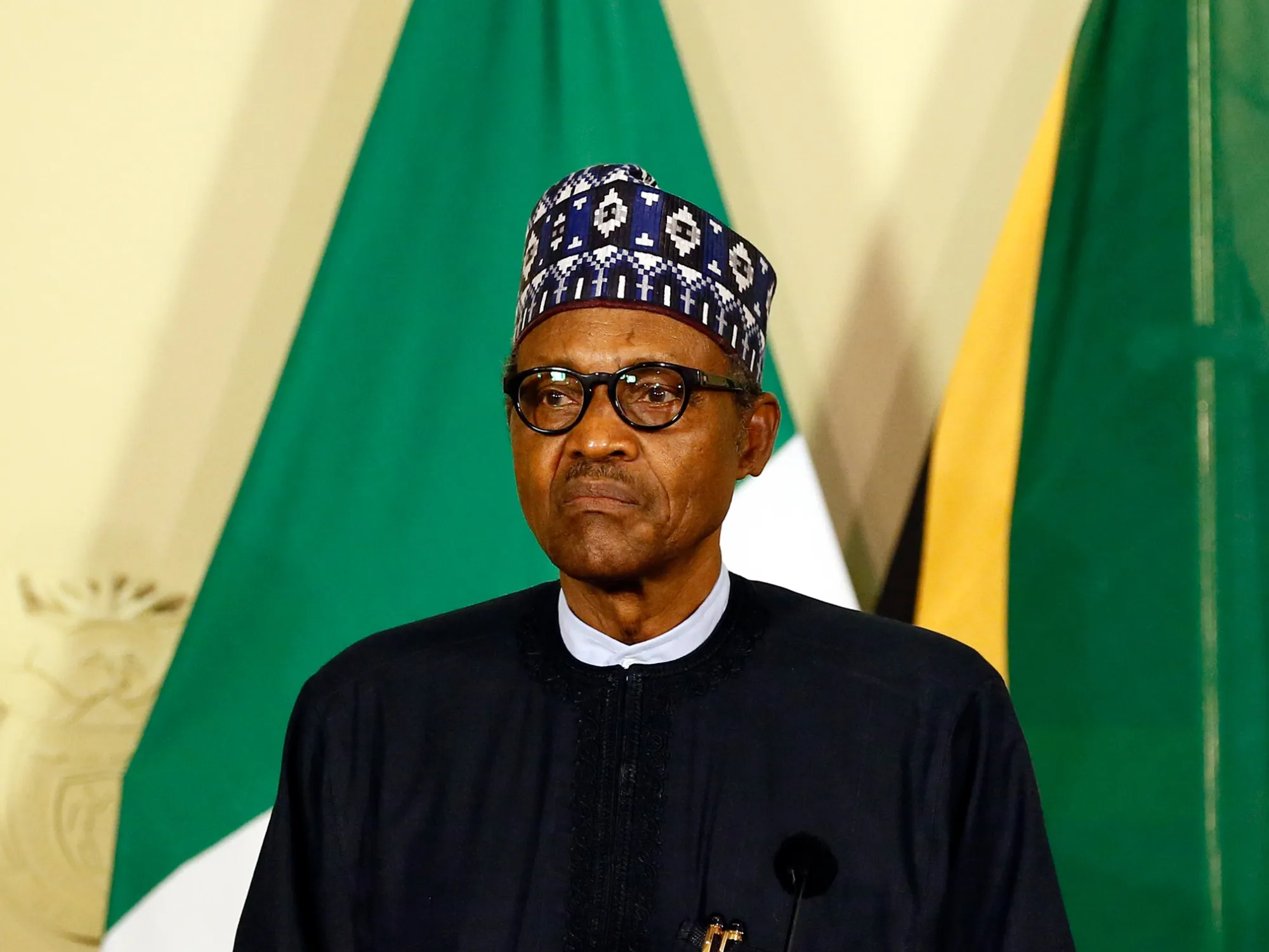
Sources close to the family revealed that Buhari had been suffering from leukemia, a form of blood cancer, along with other age-related complications. Since April 2025, he had made several trips to the UK for medical treatment prompting public concern over his condition and his political visibility in recent months.
• Military Ruler (1983–1985): Buhari first came to power via a coup and led Nigeria as a military head of state, spearheading a strict campaign against “indiscipline.” He was ousted after 20 months in office.
• Elected President (2015–2023): In 2015, he made history by becoming the first opposition candidate to defeat an incumbent president in Nigeria. He was re-elected in 2019. Buhari’s presidency was marked by an aggressive anti-corruption agenda, but also drew criticism for his handling of national insecurity, economic decline, suppression of civil liberties, and controversial restrictions on social media.
• His promises to defeat Boko Haram and end widespread banditry largely remained unfulfilled, with many regions remaining under constant threat throughout his presidency.
Official Reactions
• President Bola Tinubu has ordered all national flags to be flown at half-mast and dispatched Vice President Kashim Shettima to London to facilitate the repatriation of Buhari’s body.
• Governor Seyi Makinde (Oyo State) mourned the former leader, stating that Buhari “left his mark on the history of the nation” and extended his condolences to the family.
Legacy and Identity
Born on December 17, 1942, in Daura (Katsina State), Buhari was the youngest of several siblings. A former army officer and participant in the Biafra War, he left a complex legacy: respected for his personal discipline and integrity, yet often criticized for his authoritarian approach, ethno-regional favoritism, and repeated medical absences abroad during his presidency.
Muhammadu Buhari’s death brings an end to a political life that spanned over four decades from barracks to ballots. For some, he was a symbol of integrity and order; for others, a strongman whose policies divided a nation. As Nigeria enters a period of national mourning, questions resurface about democratic accountability, leadership health transparency, and the long-term impact of his presidency on Africa’s most populous nation.